

As we approach the year 2030, the realm of space exploration is poised for a remarkable evolution that could redefine our understanding of the cosmos and our place within it. Spearheading this transformative journey are visionary initiatives within the field of space exploration, with organizations like SpaceX leading the charge. This post will delve into the future of space exploration using Wendell Bell’s framework, emphasizing the potential impact on humanity’s understanding of the universe and our capacity to explore it. Particularly in regions with vast and rugged landscapes like Australia, the advancements in space exploration technology hold promise for overcoming terrestrial challenges, expanding our reach into the cosmos and influencing our perceptions of future cultures and how we live.
It’s hard to imagine a future where humanity can freely explore the wonders of space, especially in such a short time frame coming the year 2030. Though there are still many developments in which humanity will achieve by this time. To help us understand a future of space travel, we can use Wendell Bells framework and divide these up into three realms, Possible, Probable, and Preferable futures.
Possible Futures: These are scenarios that could theoretically occur, considering various factors such as social, technological, economic, environmental, and political influences. Possible futures explore a wide range of potential outcomes, even those deemed unlikely or speculative.
Probable Futures: These scenarios are considered more likely to occur based on current trends, historical patterns, and existing evidence. Probable futures focus on the most likely outcomes, taking into account the direction in which society, technology, and other factors are currently heading.
Preferable Futures: These are the futures that individuals or societies aspire to achieve. They represent desired outcomes that align with values, goals, and aspirations. Preferable futures involve intentional efforts to shape and guide developments towards more positive and desirable outcomes.
Bell’s integration of these categories presents a comprehensive toolkit for exploring the future. It allows us to delve into a wide array of scenarios, identify those most probable, and articulate our aspirations for what lies ahead. This multifaceted methodology not only enriches our comprehension of potential futures but also grants us the agency to influence them in accordance with our goals and values.
In the realm of space exploration, considering possible futures involves exploring a wide range of potential scenarios that could unfold as humanity ventures further into the cosmos. Among these futures are the colonization of Mars, with companies like SpaceX leading the charge to establish permanent human settlements on the Red Planet.
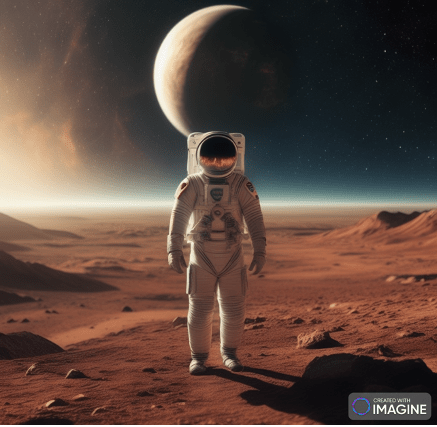
Looking ahead, interstellar travel represents a frontier for exploration beyond our solar system, with initiatives like Breakthrough Starshot proposing ambitious missions to nearby star systems. Additionally, the discovery of extraterrestrial life, whether microbial or intelligent, could reshape our understanding of the universe and humanity’s place within it. Exploring these potential futures underscores the vast opportunities for scientific discovery, technological innovation, and societal transformation that lie ahead in the realm of space exploration.
In regards to Probable futures, for space exploration, continued advancements in technology and international collaboration will likely drive significant progress and expansion in our exploration of the cosmos. With ongoing missions to Mars, the Moon, and beyond, space agencies and private companies are poised to achieve significant milestones in the coming decades. Probable futures may see the establishment of permanent human habitats on the Moon and Mars, enabled by advancements in life support systems and habitat construction techniques. Additionally, the commercialization of space travel is expected to accelerate, with space tourism becoming more accessible and routine. Furthermore, advancements in propulsion technology could facilitate faster and more efficient interplanetary travel, opening up opportunities for robotic and crewed missions to explore distant asteroids, moons, and potentially habitable exoplanets.
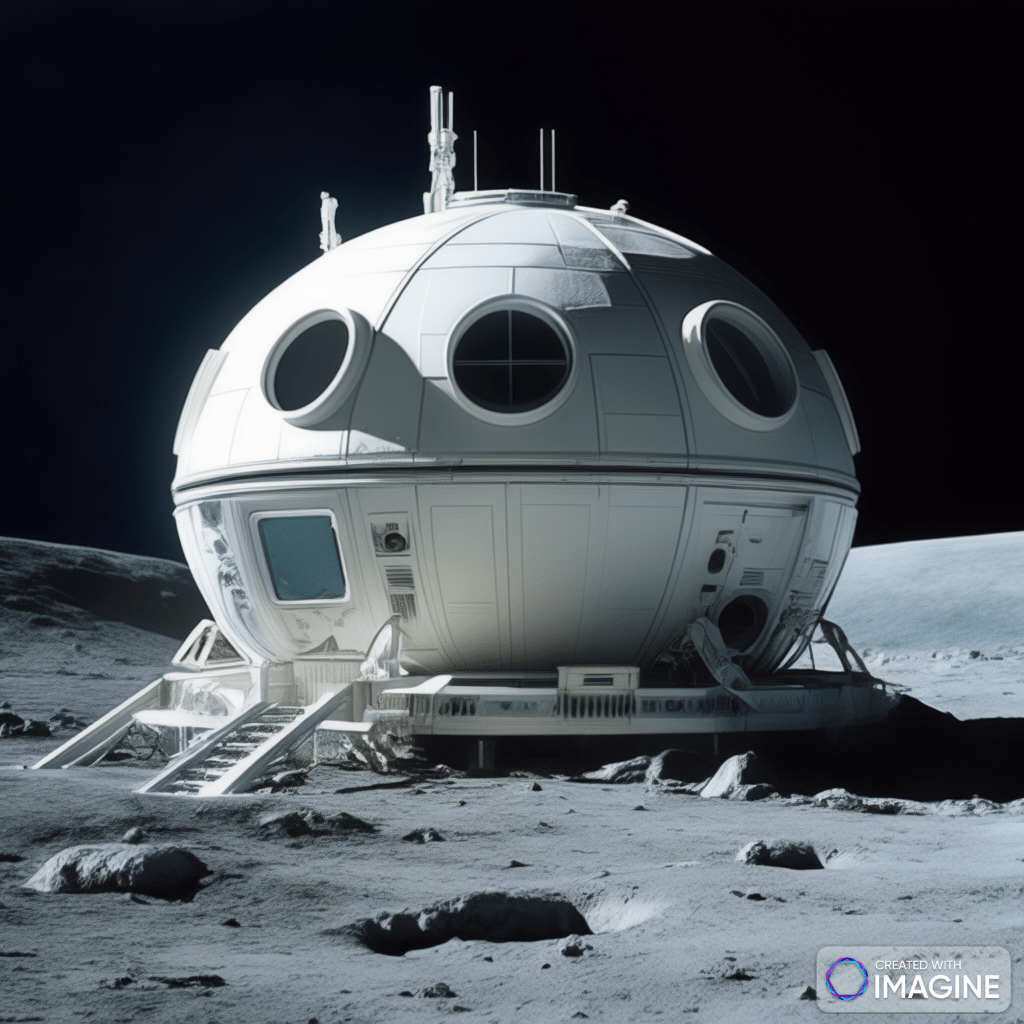
When we dream about the future of space exploration, it’s not just about rockets and distant planets. It’s about envisioning a future where humanity thrives, where our exploration of the cosmos reflects our best aspirations and values. In these preferable futures, space exploration becomes a beacon of hope, inspiring collaboration, curiosity, and progress. Picture a world where nations work hand in hand, transcending earthly boundaries to unlock the mysteries of the universe together. It’s a future where sustainability isn’t just a buzzword, but a guiding principle, ensuring that our cosmic endeavours leave a positive impact on the environments we encounter. And in this future, space isn’t just for the elite or the privileged few – it’s accessible to all, sparking wonder and fascination in hearts and minds around the globe. So, let’s dare to dream of a future where space exploration isn’t just about the stars, but about building a better world for all of us, right here on Earth and beyond.
As we gaze toward the horizon of 2030 and beyond, the realm of space exploration promises a thrilling journey of discovery and innovation. Spearheaded by visionary initiatives like those led by SpaceX, our understanding of the cosmos and our place within it is on the brink of transformation. By employing Wendell Bell’s framework, we can navigate the vast expanse of potential futures – from the conceivable to the desirable. Possible futures tantalize us with the prospect of Martian colonies and interstellar voyages, while probable futures point to continued advancements in technology and international collaboration, paving the way for unprecedented achievements in space exploration. And in our preferable futures, space becomes a realm of boundless opportunity, where collaboration, sustainability, and accessibility reign supreme. In this vision, space exploration isn’t merely about reaching for the stars – it’s about building a brighter, more inclusive future for all of humanity, both here on Earth and in the vast expanse of the cosmos. So let us embrace the spirit of exploration, dare to dream, and chart a course towards a future among the stars.