
The Wim Hof Method.
Something that’s becoming more and more prevalent in today’s current health and wellness world. When I first decided to embark on this journey for my DA, I was a bit sceptical, not only on how I’d produce the content for something quite new but also if this method actually works and lives up to the hype, I can happily and safely say that it does, it’s incredible the difference I’ve felt over these last weeks and months. From doing ice baths every day to diving into profound breathing meditations, this method is truly something extraordinary and I encourage everyone to at least give it a try for themselves, you will seek the benefits.
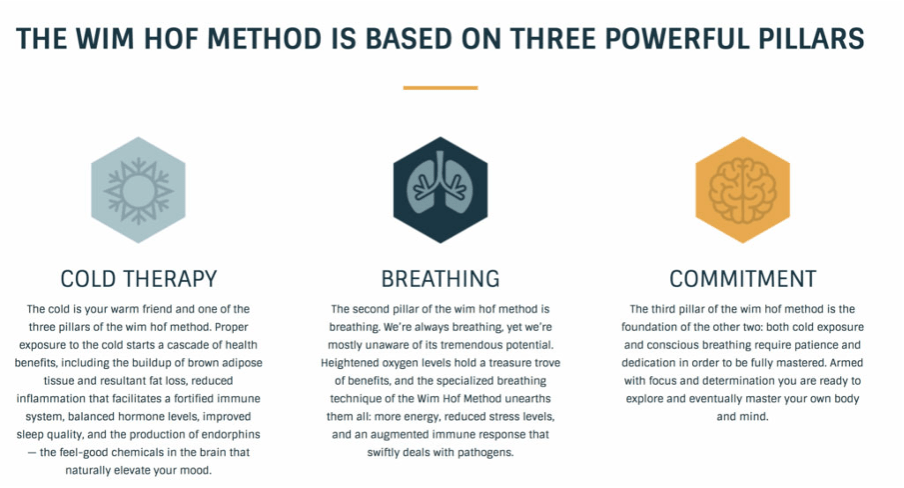
As explained in my first blog post which can be found here https://mybcm.blog/2023/08/10/the-wim-hof-method-tapping-into-the-power-of-a-unique-media-niche/, the Wim Hof Method is a unique combination of breathing exercises, meditation and cold exposure. Developed by Wim Hof himself, the method is founded on the principles of controlling the autonomic nervous system and tapping into the body’s innate ability to withstand extreme conditions. It can be broken up into three pillars as outlined below:
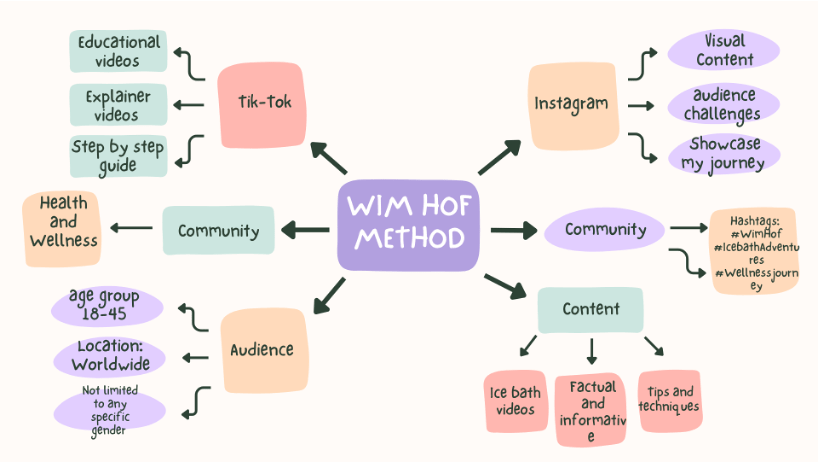
While mapping this topic as can be seen here https://mybcm.blog/2023/08/17/mapping-my-media-niche/, to undertake ethnographic research, it became clear that I had to consider many subtopics within the niche, and many media platforms. During the mapping process, it was also important to note that this type of content has quite a broad audience, hence I predominantly focused on visual platforms such as Tik-Tok and Instagram. There are many media forms this can be shared across, and also many communities that can be engaged with, these can all be highlighted in the mind map below.
Not only did this ethnographic process entail participant observation, but it also included a thorough and detailed form of secondary research to assist in the investigation of the Wim Hof Method. I needed to provide my audience with relevant and informative information on how the Wim Hof Method works, as well as specifying safety precautions and procedures before undertaking activities such as stepping foot into an ice bath. I needed to understand all of the elements and principles of ethnography in its many forms, such as the aim of autoethnographic research which in this sense I adopted through partaking and doing the method myself. I wanted to evoke a human experience that my audiences can reflect on, rather than just telling them to go into the cold or go into an ice bath, to add a more human element and communicate the idea that I too am along with them on this journey, which I feel recording myself practising the method really helped with.
Understanding ethnographic research, and adopting the process of immersing myself into several different aspects of the daily lives of others, by doing the method, allowed me to analyse the interactions of my audience and their individual’s behaviours. This allowed me to observe them, and gather information on the shared characteristics of these audiences (Creswell, 2007).
After more secondary research, it further allowed me to become more immersed in the method and understand it better, which I could then pass down and communicate this information to my audience through the content I was producing (As can be shown here: https://mybcm.blog/2023/10/13/content-generation-1/).
In order to conduct autoethnographic research, I had to also engage with content myself and educate myself more and more on the method. I did this through gaining lots of information through Wim Hof’s website as can be seen here: https://www.wimhofmethod.com/practice-the-method, and also listening to various scientific backing of the method, one as such is doctor Andrew D. Huberman who has lots of useful information surrounding cold exposure which I’d then use to my advantage and try to educate my audience on.
In terms of content, I wanted to make it as natural and organic as possible, and partake in the activities along the ride. I opted to filming myself in the ice bath, documenting the day count, talking about the benefits using audio features on Tik-Tok and Instagram. Also giving advice on what to do in an ice bath, talking about the safety precautions, even vlogging my experiences and ways to mentally prepare, talking about things such as breathing, good intentions and focus.
I posted this across two platforms being Instagram and Tik-Tok, with Tik-Tok gaining some good engagement to start, but followers were still lacking over on this platform. I felt that using hashtags additionally helped me particularly on Instagram which is the main platform I focused on, tags such as:
- #Icebathadnvetures
- #WimHof
- #Helathandwellness
- #Coldthearpy
- #Fyp
These all helped me to get engagements up and also provided me with some follower engagement, particularly over on Instagram. Another epiphany that I encountered was the time of day I was posting; this can be seen in more detail in this blog post: https://mybcm.blog/2023/10/13/content-generation-2/.
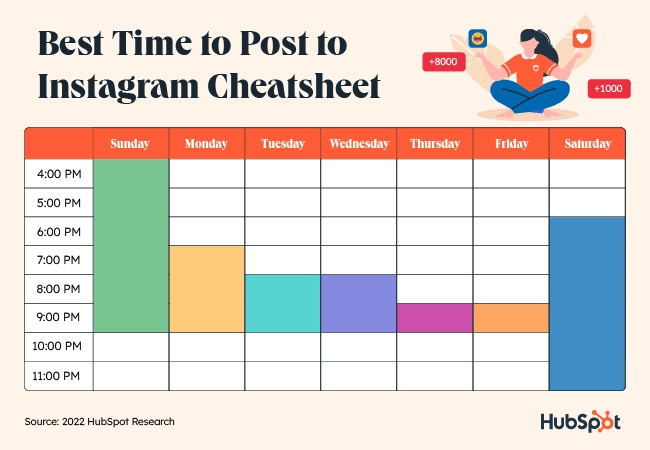
After recognising this, I started posting at these times as suggested by Hubspot, I found Wednesday evenings had the most engagement’s as well as Thursday and Sunday days. This allowed me to tailor my content accordingly.
My experience as an audience member throughout the autoethnographic process has greatly helped me when tailoring my content. As an audience member I was able to really reflect on what sort of media audiences like to engage with. A lot of the content was informational and helpful, for instance, talking about the array of benefits jumping in an ice bath, creating vlog type videos, posting educational information setting day challenges. The autoethnographic process, particularly the element of participant observation, allowed me to tailor and create my content accordingly.
Being an active engager with the Method on a daily basis, helped me to create an authentic persona within this niche. As a creator, the content I made was often me getting into an ice bath, talking about benefits, posting informative visuals and so on. I did this to create an authentic persona, without changing my personality and increase the originality. I wanted to give off to my audience that I too was along the journey with them. Though, it was a struggle to maintain an online presence, I truly just wanted to promote this method as best as I could, and show them that it really does work. I decided to stick by my originality, have nothing fabricated and continue to post the content I was producing.
With this persona, tailored with the autoethnographic process, helped me to create original content for my DA, by physically engaging with the method through the content I was producing. This allowed for a more personal approach to my content and allowed me to critically reflect as an audience member. It was a very rewarding process, as for the first time in me doing content creation, I was physically involved and I hope my audience felt the same way.
References:
Chi, C. (2022). When Is the Best Time to Post on Instagram in 2022? [Cheat Sheet]. [online] Hubspot.com. Available at: https://blog.hubspot.com/marketing/instagram-best-time-post.
Creswell, J. W. (2007). Ethnographic Research On Human Behaviour – 1461 Words | Bartleby. [online] Available at: https://www.bartleby.com/essay/Ethnographic-Research-On-Human-Behavior-P3JY6UWXUKD5.
Hof, W. (n.d.). What is the Wim Hof Method? | Practice The Method. [online] http://www.wimhofmethod.com. Available at: https://www.wimhofmethod.com/practice-the-method.
 To the Gong and Back